Resources

Homeowner Guides & Construction Knowledge

Practical information for homeowners and business owners planning a construction project in coastal South Carolina. From renovation planning to understanding building codes, these resources are built from our hands-on experience as a licensed general contractor.

Start Your Project Informed

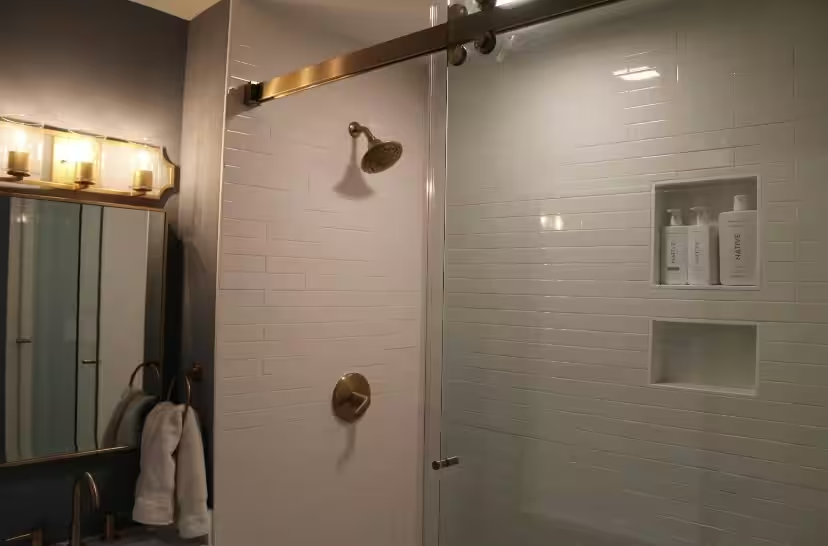
Bathroom remodel completed by Baldwin Builders in North Myrtle Beach
Planning Guide

Planning a Home Renovation

A step-by-step approach to planning your renovation — from setting a realistic budget and defining your scope to choosing materials and hiring the right contractor. Avoid common mistakes that cost homeowners time and money.

  • Budget Planning
  • Scope Definition
  • Material Selection
  • Timeline
Baldwin Builders commercial construction project in South Carolina
Homeowner Guide

Choosing a General Contractor

What to verify before signing a contract: licensing, insurance, references, project management approach, and communication expectations. Know the red flags and the green flags.

  • Licensing
  • Insurance
  • References
Custom residential construction project by Baldwin Builders
Process Overview

Understanding the Build Process

From the initial site evaluation to your final walkthrough, here is what happens at each stage of construction. Knowing the process removes uncertainty and helps you make better decisions along the way.

  • Site Evaluation
  • Permitting
  • Framing & Structure
  • Inspections
  • Finishes
  • Final Walkthrough

Homeowner Essentials

Key things every homeowner should understand before, during, and after a construction project in coastal South Carolina.

Permits & Inspections

Most construction in Horry, Georgetown, and Charleston counties requires permits. Understanding the inspection schedule prevents delays and surprise costs.

  • Structural changes require permits
  • Electrical and plumbing work is inspected
  • Foundation inspections before pouring
  • Final inspection before occupancy

Budgeting Your Project

Set a realistic budget by understanding what drives costs in coastal construction — materials, labor, site conditions, and code requirements.

  • Get 2-3 written estimates minimum
  • Budget 10-15% for contingency
  • Understand allowances vs. fixed costs
  • Ask about change order pricing upfront

Insurance & Licensing

Your contractor should carry both general liability insurance and workers' compensation. Verify licensing through South Carolina's LLR.

  • Verify license at LLR.sc.gov
  • Request certificate of insurance
  • Confirm workers' comp coverage
  • Check for active complaints or violations

Home Addition Basics

Adding square footage to your home is one of the highest-ROI investments. Here is what determines if your lot and structure can support it.

  • Check zoning setback requirements
  • Evaluate existing foundation capacity
  • Match exterior finishes to existing home
  • Plan for updated HVAC load

Renovation vs. New Build

When does it make more sense to renovate versus tear down and rebuild? Structural condition, code compliance, and total cost drive this decision.

  • Get structural assessment first
  • Compare total renovation cost to new build
  • Factor in code upgrade requirements
  • Consider long-term maintenance costs

Seasonal Maintenance

Coastal properties face unique wear from salt air, humidity, and storms. A seasonal maintenance schedule prevents small issues from becoming major repairs.

  • Inspect roof and flashing before hurricane season
  • Clean gutters and check drainage quarterly
  • Pressure wash exterior siding annually
  • Check caulking around windows and doors

How a Construction Project Works

Whether you are building a custom home, renovating a kitchen, or planning a commercial build-out, the process follows a predictable sequence. Here is what to expect at each stage.

Step 01

Consultation & Site Evaluation

We walk the property, discuss your goals, evaluate structural conditions, and identify any site-specific factors like flood zones, setback requirements, or access challenges that affect the project scope.

Step 02

Estimate & Scope of Work

You receive a detailed written estimate that breaks down labor, materials, timeline, and any allowances. The scope of work document defines exactly what is included so there are no surprises.

Step 03

Permitting & Design

We handle the permitting process with the local building department. If your project requires architectural plans or engineering, we coordinate with design professionals and ensure everything is code-compliant before breaking ground.

Step 04

Construction & Progress Updates

Work begins with a clear schedule. You receive regular progress updates with photos and status reports. We coordinate all trades, manage the timeline, and handle any material procurement to keep your project moving.

Step 05

Inspections & Quality Control

Required inspections are scheduled at each milestone — foundation, framing, electrical, plumbing, and final. We address any items flagged by inspectors before moving to the next phase.

Step 06

Final Walkthrough & Handoff

We walk the completed project together, review every detail against the original scope, and resolve any punch-list items on the spot. You receive all warranty information, permit documentation, and inspection records.

Building for the South Carolina Coast

Coastal properties face conditions that inland homes never deal with. Salt air, hurricane-force winds, flooding, and intense humidity all require specific materials and construction methods to protect your investment.

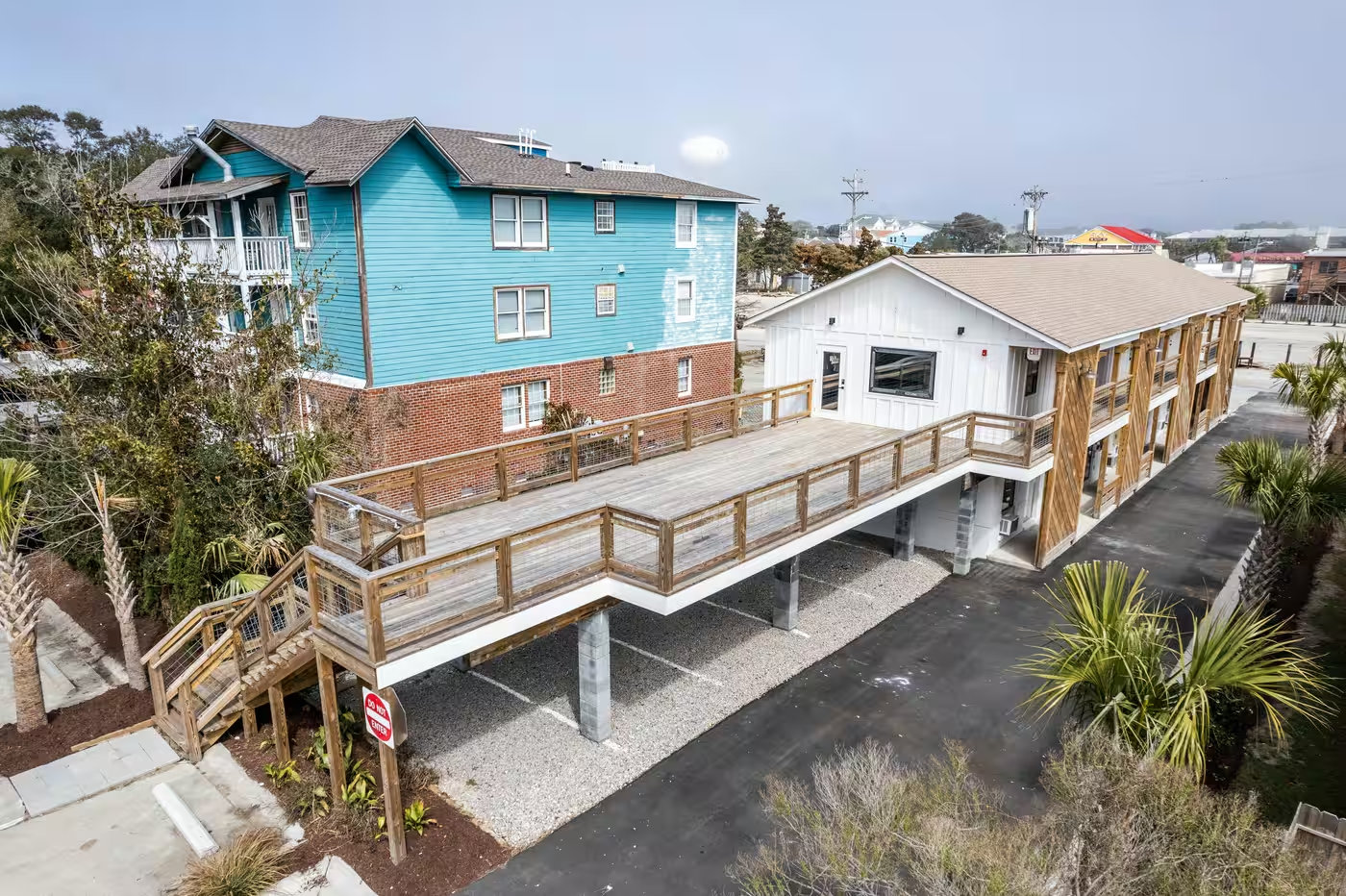
Aerial view of coastal construction project by Baldwin Builders
Coastal SC

Wind-Resistant Construction

Coastal SC requires construction rated for 130+ mph winds. This means hurricane clips, impact-rated windows, and reinforced roof-to-wall connections throughout the structure.

Flood Zone Compliance

Properties in FEMA-designated flood zones require elevated foundations and specific construction methods. Base flood elevation determines your foundation height and insurance requirements.

Salt Air & Corrosion

Salt spray accelerates corrosion on standard metals. Coastal projects use stainless steel fasteners, marine-grade hardware, and protective coatings to prevent premature deterioration.

Moisture Management

Coastal humidity demands proper vapor barriers, ventilation systems, and moisture-resistant materials. Poor moisture control leads to mold, rot, and structural damage within a few years.

OCRM & Setback Rules

The South Carolina Office of Ocean and Coastal Resource Management enforces critical line setbacks near the beach. These rules limit where you can build and what modifications are allowed on oceanfront properties.

Common Questions

How long does a typical home renovation take?

Timeline depends on scope. A bathroom remodel typically takes 2-4 weeks, a kitchen renovation 4-8 weeks, and a full home remodel 3-6 months. Custom home construction from permitting to final walkthrough usually runs 8-14 months depending on size and complexity. We provide a detailed timeline during the estimate phase so you know what to expect.

Do I need a permit for my construction project?

Most construction projects in Horry County, Georgetown County, and Charleston County require permits — including structural changes, electrical and plumbing work, additions, new construction, and significant remodels. Minor cosmetic updates like painting or flooring replacement typically do not. We handle the permitting process for every project we manage.

What should I look for when hiring a general contractor?

Verify their South Carolina contractor's license through LLR.sc.gov, confirm they carry general liability and workers' compensation insurance, check Google reviews and references, and ask about their project management process. Get a written estimate with a detailed scope of work. A legitimate contractor will be transparent about licensing, insurance, and how they handle change orders.

How much does it cost to build a custom home in coastal SC?

Custom home construction in the North Myrtle Beach, Myrtle Beach, and Charleston areas typically ranges from $175-$350+ per square foot depending on finishes, lot conditions, and design complexity. Coastal-specific requirements like elevated foundations, hurricane-rated windows, and wind-resistant roofing add to the base cost but are essential for long-term durability.

What coastal building codes should I know about?

Coastal South Carolina follows the International Building Code with state amendments. Key requirements include wind-resistant construction rated for 130+ mph, flood zone compliance per FEMA maps, elevated foundations in designated flood areas, and hurricane-rated impact windows or shutters. Properties in the OCRM critical line area have additional setback requirements.

What is the construction process from start to finish?

Our process follows six stages: initial consultation and site evaluation, detailed estimate and scope of work, permitting and design finalization, construction with regular progress updates, inspections and quality checks, and final walkthrough with project handoff. Throughout each stage, we maintain direct communication so you always know where your project stands.

Can I live in my home during a renovation?

In most cases, yes. Bathroom and kitchen remodels can usually be completed while you stay in the home with some temporary adjustments. Full home renovations or projects involving structural work may require temporary relocation for safety. We discuss this during the planning phase and work to minimize disruption to your daily routine.

How do change orders work?

A change order is a formal amendment to the original scope of work. If you want to modify the plan mid-project or if unexpected conditions arise (like hidden water damage behind a wall), we document the change, provide a cost and timeline impact, and get your written approval before proceeding. No surprise charges.

Ready to Start Your Project?

Tell us about your build and we will provide a detailed estimate based on your scope, timeline, and budget.